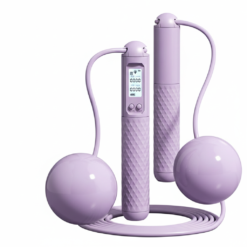
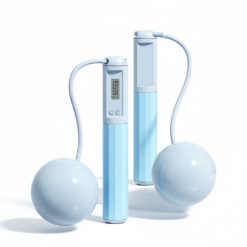
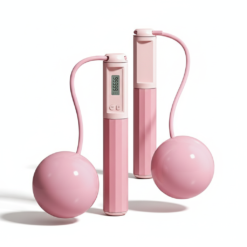
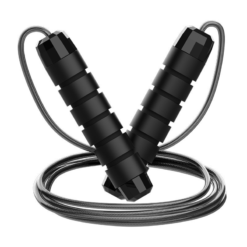
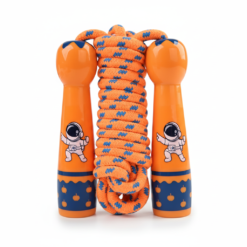
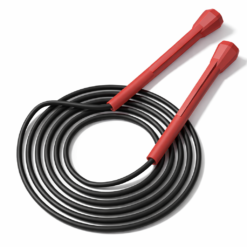
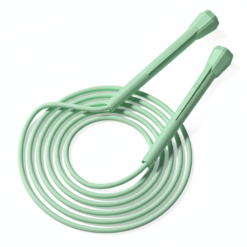
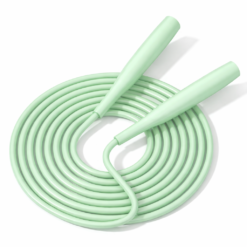
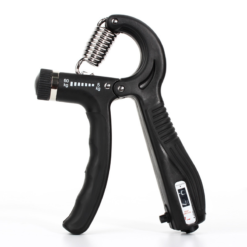
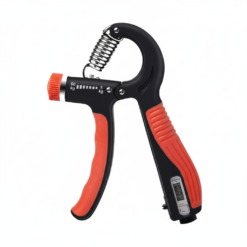
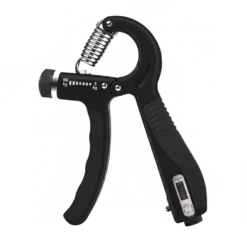
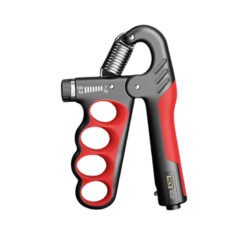
Whether you are a professional athlete, a fitness enthusiast, or a high-performing business executive, your hands are your primary tools for interacting with the world. Yet, grip strength is often the most overlooked metric in physical fitness. In 2026, the grip strength tester has evolved from a simple clinic tool into a vital piece of data-driven performance tech.
If you can’t hold it, you can’t lift it—and in many ways, you can’t lead it. From the boardroom handshake to the heavy deadlift or the precision required by jump rope experts, your hand power is a direct window into your nervous system and overall longevity.
This guide provides a deep dive into the world of digital dynamometers, how to interpret the data, and the best strategies to increase your crushing power.
Table of Contents
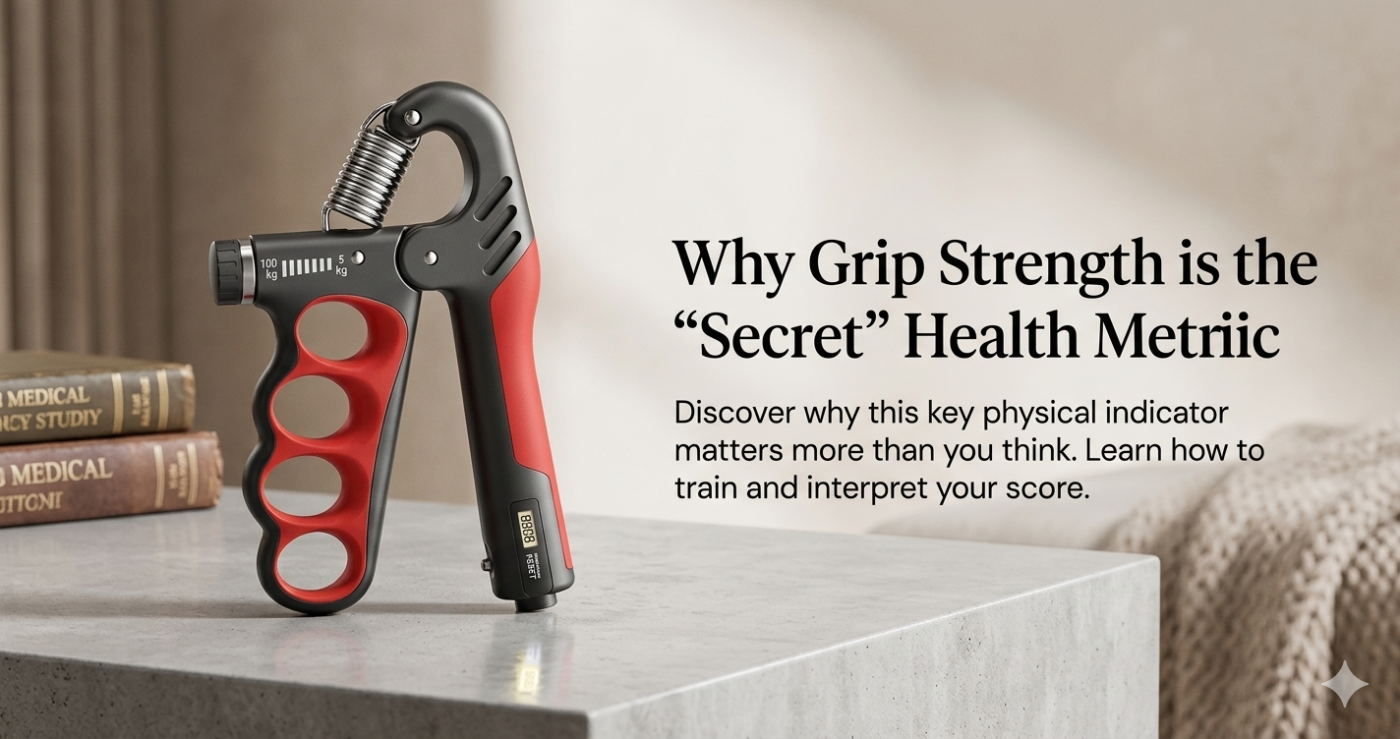
Why Grip Strength is the “Secret” Health Metric
In the medical community, grip strength is frequently referred to as a “biomarker of aging.” It isn’t just about how hard you can squeeze; it’s a reflection of your bone density, muscular health, and cardiovascular risk.
For the business man or the active professional, maintaining high grip strength is correlated with lower rates of chronic disease. Furthermore, for those in the fitness industry—particularly jump rope experts and crossfitters—grip endurance is the bottleneck that prevents higher reps and faster rotations.
If your grip fails before your lungs do, you aren’t reaching your full potential.
How Does a Grip Strength Tester Work?
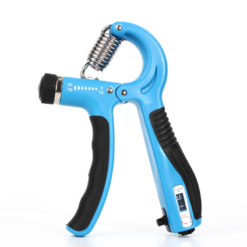
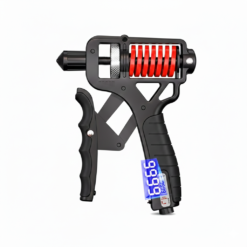
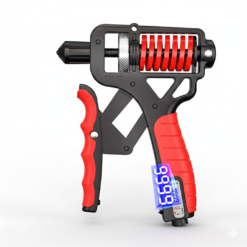
A grip strength tester, or digital hand dynamometer, measures the isometric strength of the muscles in your hand and forearm.
Most modern devices utilize a high-precision strain gauge sensor. When you squeeze the handle, the sensor detects the force (usually in kilograms or pounds) and displays it on an LCD screen. In 2026, the best models feature:
User Profiles: Storing data for multiple individuals.
Comparison Modes: Instantly showing if your current squeeze is higher or lower than your previous average.
Rating Systems: Categorizing your results as “Weak,” “Normal,” or “Strong” based on age and gender.
The Numbers: Average Grip Strength Male vs. Female
Understanding where you stand requires looking at the data. Grip strength peaks in the late 20s and early 30s before a gradual decline.
Average Grip Strength Male (Ages 25–39)
Excellent: >55 kg (121 lbs)
Good: 45–50 kg (99–110 lbs)
Fair: 35–40 kg (77–88 lbs)
Average Grip Strength Female (Ages 25–39)
Excellent: >35 kg (77 lbs)
Good: 28–33 kg (62–73 lbs)
Fair: 20–25 kg (44–55 lbs)
Note: For jump rope import companies from China looking to market these devices, emphasizing these benchmarks in marketing collateral is key to driving consumer engagement.
How to Conduct a Grip Strength Test Properly
To get an accurate reading from your grip strength tester, consistency is everything. Follow this protocol:
Adjust the Handle: Ensure the base of the handle rests on the heel of your palm, and the four fingers are wrapped comfortably around the adjustable bar.
Posture: Stand upright with your arms at your side. Do not let the dynamometer touch your body during the squeeze.
The Squeeze: Exhale and squeeze as hard as possible for 3–5 seconds.
Repeat: Take three measurements for each hand with 60 seconds of rest in between. Use the highest value as your baseline.
How to Increase Grip Strength: Proven Methods
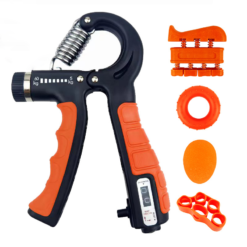
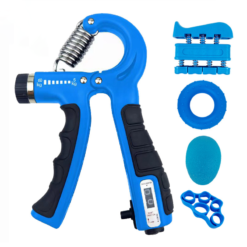
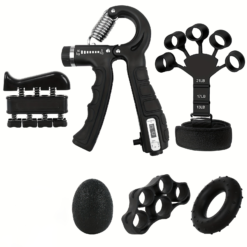
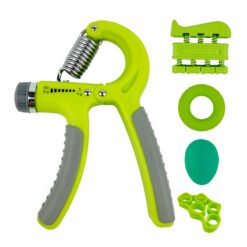
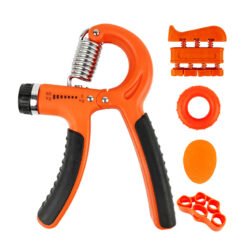
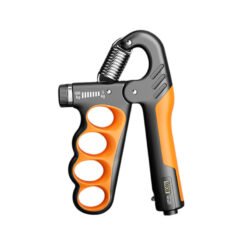
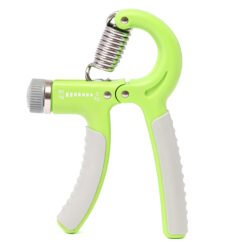
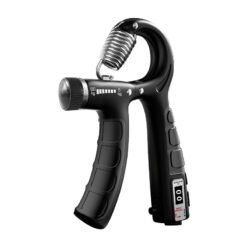
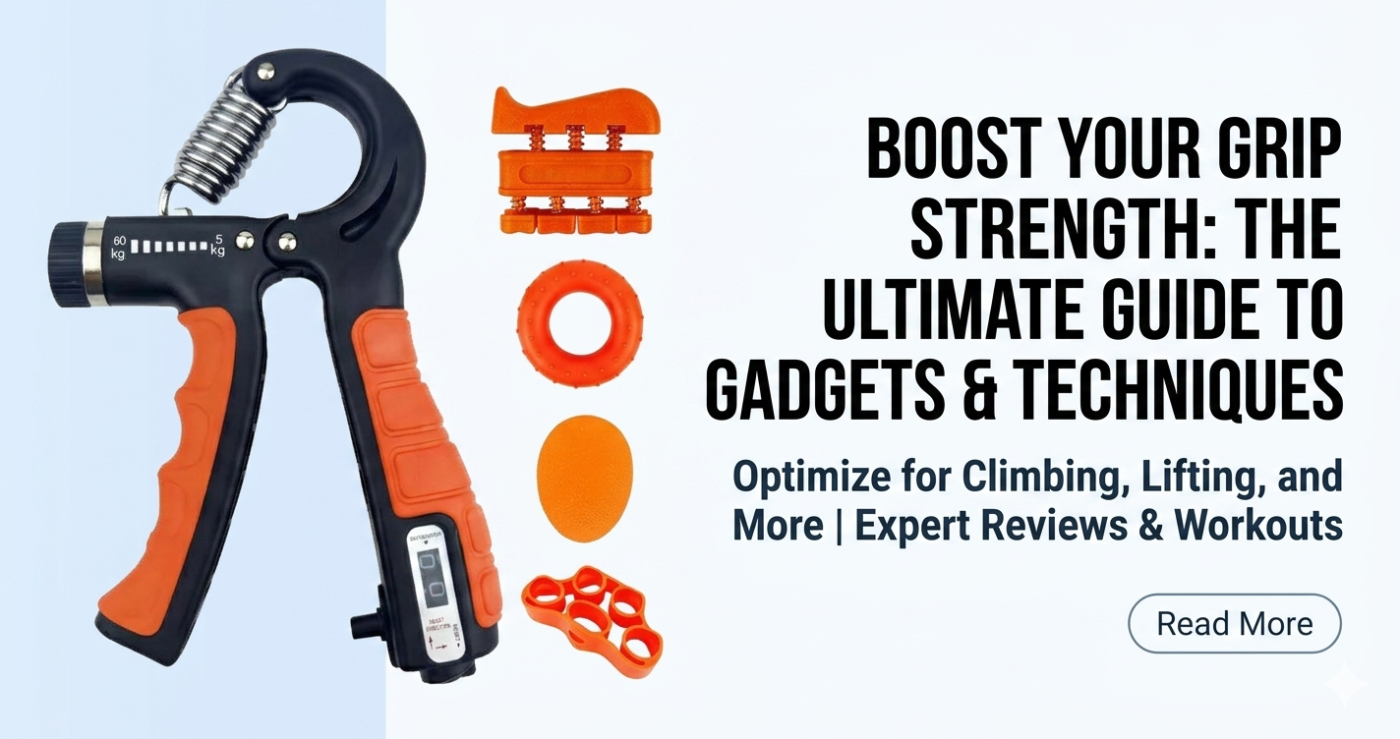
If your results were lower than expected, don’t panic. Grip strength is highly trainable. Using hand grippers for grip strength is a great start, but a holistic approach works best.
1. Use Specialized Grip Strength Trainers
Invest in high-tension hand grippers. These aren’t the plastic toys from the 90s; modern steel grippers offer resistance levels up to 300+ lbs.
Strategy: Focus on “negatives”—squeeze the gripper shut with two hands and try to resist it opening with just one.
2. Incorporate Compound Movements
Exercises like Farmer’s Walks, Deadlifts (without straps), and Pull-ups naturally build forearm density.
3. Jump Rope for Endurance
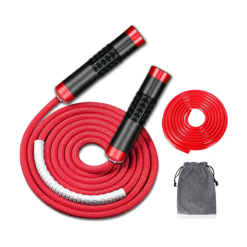
For the jump rope expert, grip isn’t just about max force; it’s about endurance. Using weighted handles or heavy ropes forces the forearms to stabilize the wrist under rotational tension, significantly boosting “active” grip power.
4. Finger Extensions
Balanced strength is vital. Use rubber bands or extension trainers to work the muscles that open your hand. This prevents “tennis elbow” and keep joints healthy.
Sourcing and B2B Considerations for Import Companies
For jump rope import companies from China and fitness distributors, the grip strength tester is a high-margin accessory that complements existing equipment lines.
Quality Control Essentials
When sourcing from manufacturing hubs like Shenzhen, look for these B2B specs:
Accuracy Tolerance: Ensure the device has a deviation of less than ±0.5kg.
Battery Life: Lithium-ion rechargeable models are replacing AAA battery versions in 2026.
Customization (OEM): Seek suppliers who offer private labeling and custom UI branding for a premium “Apple-style” minimalist look.
Market Positioning
Position these devices as “Performance Analytics” rather than just “Grip Testers.” B2B buyers should market them to CrossFit boxes, physical therapy clinics, and high-end home gyms.
Pros & Cons of Modern Grip Strength Trainers
Pros
Cons
Instant Feedback: Motivates users with concrete data.
Dependency: Users may over-train if chasing numbers daily.
Longevity Tracking: Serves as an early warning for health issues.
Calibration: Cheap models can lose accuracy over time.
Portability: Easy to use in the office or during travel.
Limited Focus: Only measures hand strength, not overall fitness.
Frequently Asked Questions (FAQ)
Q1: How often should I use a grip strength tester?
A: To track progress, testing once every two weeks is sufficient. Testing daily can lead to CNS fatigue, which may temporarily lower your scores.
Q2: Can using a grip strength trainer help with carpal tunnel?
A: When used correctly at low resistance, it can improve blood flow and tendon health. However, you should consult a professional if you have active inflammation.
Q3: Why is my grip strength lower in the morning?
A: Your nervous system takes time to fully “wake up,” and synovial fluid in the joints may be more viscous upon waking. Most peak records are set in the late afternoon.
Q4: Do hand grippers for grip strength actually build muscle?
A: Yes. They target the flexor digitorum superficialis and other forearm muscles, leading to increased vascularity and muscle density.
Q5: What is a good grip strength for a B2B fitness product line?
A: For retail, look for testers with a capacity of at least 90kg (198 lbs) to satisfy both beginners and advanced athletes.
Conclusion: Take Control of Your Strength
The grip strength tester is more than just a gym gadget; it is a vital instrument for anyone serious about their physical and professional longevity. For the business man, it’s a tool for health monitoring. For the jump rope expert, it’s the key to unlocking the next level of performance.
If you are an import company from China, now is the time to capitalize on the 2026 trend toward “bio-hacking” and data-driven fitness.
Ready to level up your fitness or your product catalog?
Individuals: Start your training today with a dedicated grip strength trainer.
Businesses: Contact a reputable supplier to source high-quality, minimalist dynamometers that represent the future of fitness tech.