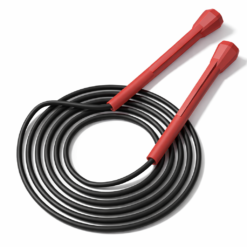
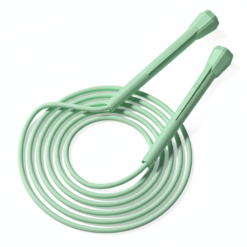
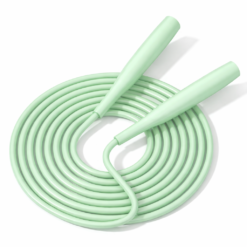
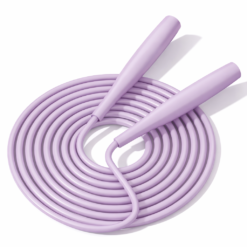
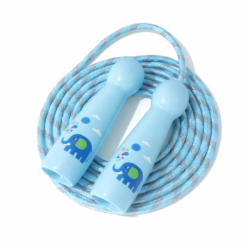
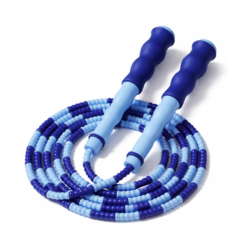
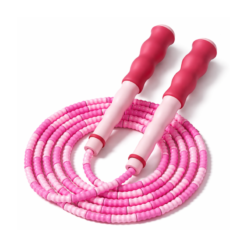
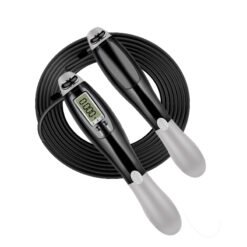
The humble jump rope is no longer just a playground staple; it has evolved into a cornerstone of high-performance athletic training and a billion-dollar global fitness commodity. Whether you are an athlete looking to shave seconds off your sprint or a business professional seeking an efficient home workout, the jump rope workout offers a level of metabolic efficiency that few other exercises can match.
In this comprehensive guide, we analyze the physiological and commercial impact of rope jumping training. For those in the fitness industry—importers, gym owners, and distributors—understanding these benefits is key to recognizing why demand for high-quality fitness jump ropes continues to skyrocket globally.
Table of Contents
1. The Science of the Jump Rope Workout {#science}
To understand the benefits of jumping rope, we must first look at the physics of the movement. Unlike steady-state jogging, a fitness jump rope workout requires total body synchronization. It engages the calves, quads, and glutes while simultaneously demanding stability from the core and rotational power from the forearms and shoulders.
From a metabolic standpoint, jumping rope is a kingmaker. Research suggests that 10 minutes of jumping rope at a moderate pace is roughly equivalent to running an eight-minute mile. It is a high-intensity interval training (HIIT) tool by nature, pushing the heart rate into the anaerobic zone quickly and efficiently.
2. 10 Proven Benefits of Jump Rope Workouts {#benefits}
1. Rapid Caloric Burn and Weight Loss
If your primary goal is weight loss, few tools are more effective. A vigorous jump rope workout can burn between 700 to 1,000 calories per hour. Because it involves “post-exercise oxygen consumption” (EPOC), your body continues to burn calories at a higher rate even after the workout is finished.
2. Enhanced Cardiovascular Health (Jump Rope for Heart)
The phrase “jump rope for heart” is more than a slogan; it is a clinical reality. Regular rope jumping increases the stroke volume of the heart, meaning your heart becomes more efficient at pumping blood. This lowers your resting heart rate and reduces the risk of cardiovascular diseases.
3. Improved Bone Density
Unlike high-impact running, which can sometimes lead to stress fractures, the repetitive, controlled impact of jumping rope actually stimulates bone remodeling. This increases bone mineral density, particularly in the legs and lower spine, which is crucial for long-term skeletal health.
4. Precision Coordination and Agility
There is a reason every professional boxer incorporates a jump rope exercise into their camp. It forces the brain to communicate with the feet at high speeds. This builds “proprioception”—your body’s ability to sense its position in space—leading to better balance and agility in daily life.
5. Increased Vertical Jump and Explosive Power
For athletes, the plyometric nature of jumping rope strengthens the “stretch-shortening cycle” of the muscles. This directly translates to a higher vertical jump and more explosive power during sprints or Olympic lifts.
6. Mental Sharpness and Focus
Jumping rope is a “thinking” exercise. You cannot zone out like you might on a treadmill, or you will trip. This constant mental engagement fosters a “flow state,” improving cognitive function and spatial awareness.
7. Portability and Space Efficiency
For the traveling businessman or the urban dweller, the jump rope is the ultimate portable gym. It fits in a briefcase or carry-on, requires less than four square feet of space, and can be used on almost any flat surface.
8. Full-Body Muscle Engagement
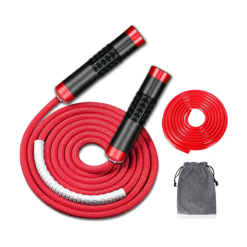
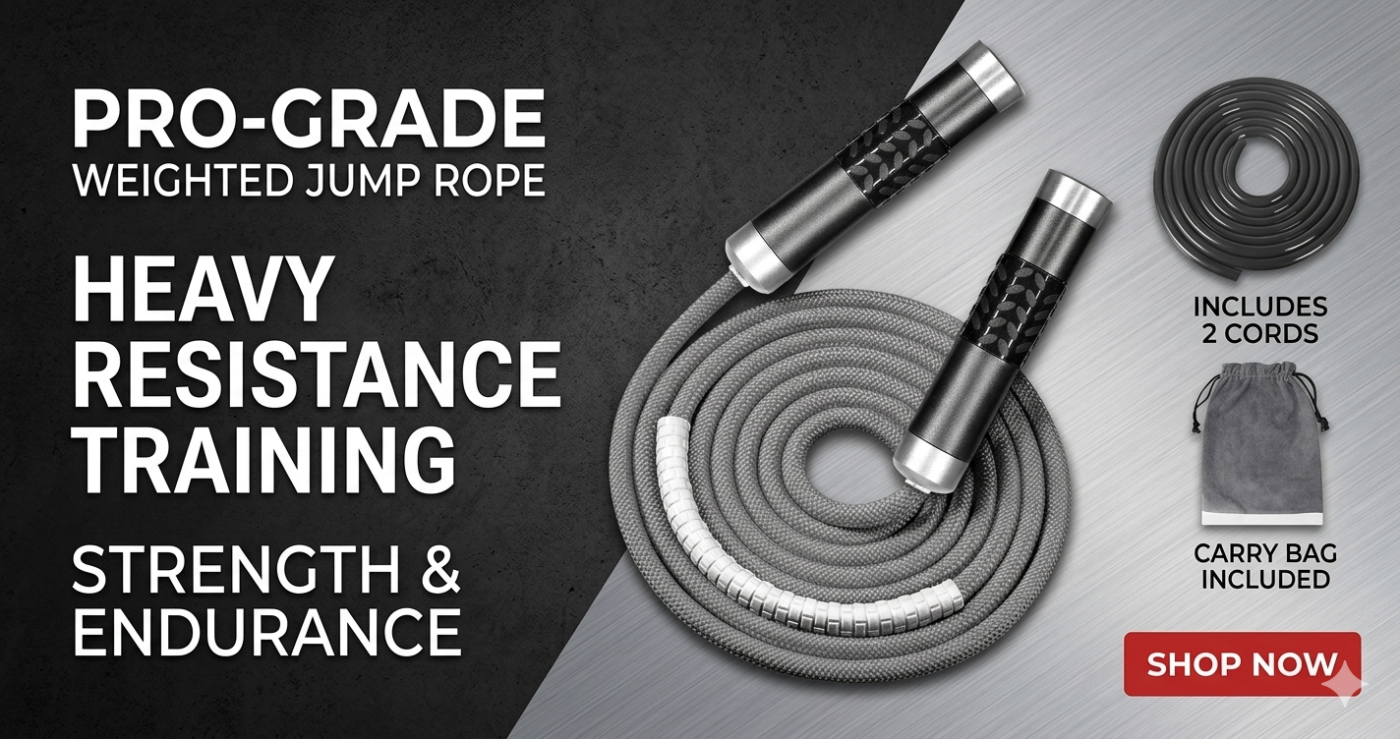
While the legs do the heavy lifting, the tension required to swing the rope and stabilize the torso provides a significant workout for the biceps, triceps, and deltoids. If you use a weighted fitness jump rope, the upper body engagement doubles.
9. Injury Prevention
By strengthening the muscles, tendons, and ligaments around the ankle joint and foot, jumping rope reduces the likelihood of common injuries like rolled ankles or shin splints.
10. Scalability for All Levels
From basic “single-unders” to advanced “double-unders” and “cross-overs,” the jump rope benefits scale with your skill level. You will never outgrow the tool; you only get faster and more efficient.
3. The B2B Perspective: Why the Market is Growing {#market}
For importers and business owners sourcing from manufacturing hubs like China, the jump rope market represents a high-margin opportunity. Here is why the commercial demand is surging:
Low Shipping Costs: Compared to heavy dumbbells or treadmills, jump ropes are lightweight and easy to ship in bulk, significantly reducing landed costs.
High Replacement Cycle: Serious athletes and CrossFit boxes go through ropes every 6–12 months, ensuring repeat business for distributors.
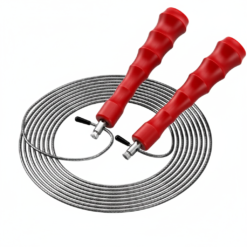
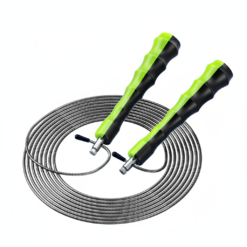
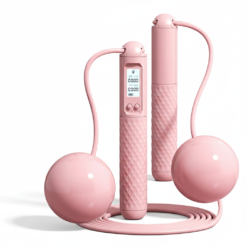
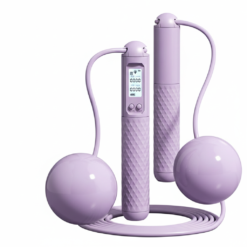
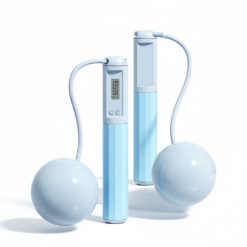
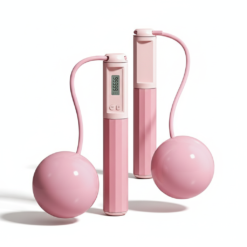
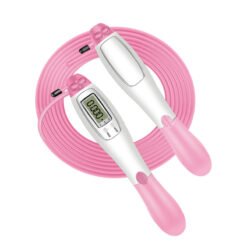
Customization (OEM/ODM): Manufacturers in Shenzhen and Ningbo offer incredible variety—from digital calorie-counting handles to adjustable steel speed cables.
As a business man in the fitness space, focusing on rope jumping training equipment allows you to target both the home-user market and the professional gym sector with a single product line.
4. Rope Jumping Training: Levels of Mastery {#training}
To achieve the full jump rope benefits, one must progress logically through training phases:
Phase 1: The Foundation
Focus on the “bound.” Keep your jumps low (only 1–2 inches off the ground) and land on the balls of your feet. Your elbows should be tucked in, with the movement coming entirely from the wrists.
Phase 2: The HIIT Integration
Incorporate the rope into a circuit. For example:
30 seconds of high-speed jumping
30 seconds of rest or planks
Repeat 10 times.
Phase 3: The Advanced Skill Set
Introduce the double-under (the rope passes under your feet twice in one jump). This requires significantly more power and wrist speed, vaulting your heart rate into the maximum effort zone.
5. Pros and Cons of Jump Rope Exercise {#pros-cons}
Pros
Cons
Highest calorie burn per minute
Steep learning curve for beginners
Extremely affordable equipment
Can be tough on joints if form is poor
Improves rhythm and timing
Requires a flat, non-abrasive surface
Works the entire body
High-quality ropes are needed for speed
6. Expert Strategies for Maximum Results {#expert-tips}
To dominate your jump rope workout, follow these elite strategies:
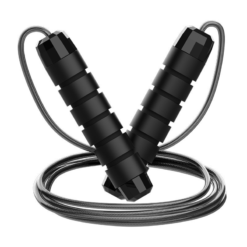
Invest in a Speed Rope: If you are beyond the beginner stage, a PVC or cable speed rope is essential. It allows for faster rotations without the “drag” of a weighted beaded rope.
Use a Mat: To protect your joints and the longevity of your rope, always jump on a rubberized mat rather than concrete.
Filming for Form: Use your smartphone to film yourself from the side. Ensure your back is straight and you aren’t “donkey kicking” (pulling your heels too high behind you).
Short, Frequent Sessions: It is better to jump for 10 minutes every day than for 70 minutes once a week. Consistency builds the neural pathways for coordination.
7. FAQ Section {#faq}
Q1: How long should a jump rope workout last for weight loss? For effective weight loss, aim for 15–20 minutes of high-intensity jumping. If you are a beginner, start with 1–2 minute intervals followed by 30 seconds of rest.
Q2: Is jumping rope better than running? In terms of caloric efficiency and muscle engagement, yes. Jumping rope burns more calories per minute and involves more upper-body stabilization than running.
Q3: Can I jump rope every day? While the benefits of jumping rope are immense, your connective tissues need time to adapt. Start with 3 days a week and gradually increase frequency as your calves and ankles strengthen.
Q4: What is the best type of jump rope for B2B importing? Currently, “Adjustable Speed Ropes” with ball bearings and “Weighted Fitness Ropes” are the top sellers in the Amazon and wholesale markets.
Q5: Is jumping rope bad for your knees? When done correctly—jumping low and landing on the balls of the feet—it is actually lower impact than running because you are utilizing both legs to absorb the shock simultaneously.
8. Conclusion
The jump rope workout is a rare fitness tool that bridges the gap between simple convenience and elite-level performance. Whether you are a fitness enthusiast aiming for a shredded physique or a business professional looking to import the next big trend from China, the evidence is clear: the rope is king.
By incorporating rope jumping training into your routine, you unlock a path to cardiovascular health, improved bone density, and unmatched fat loss.
Ready to elevate your fitness or your business portfolio? Start by mastering the basic jump and explore the high-performance jump rope models that are currently defining the global fitness market.
For more insights on fitness equipment and international trade, subscribe to our newsletter or explore our technical product guides.